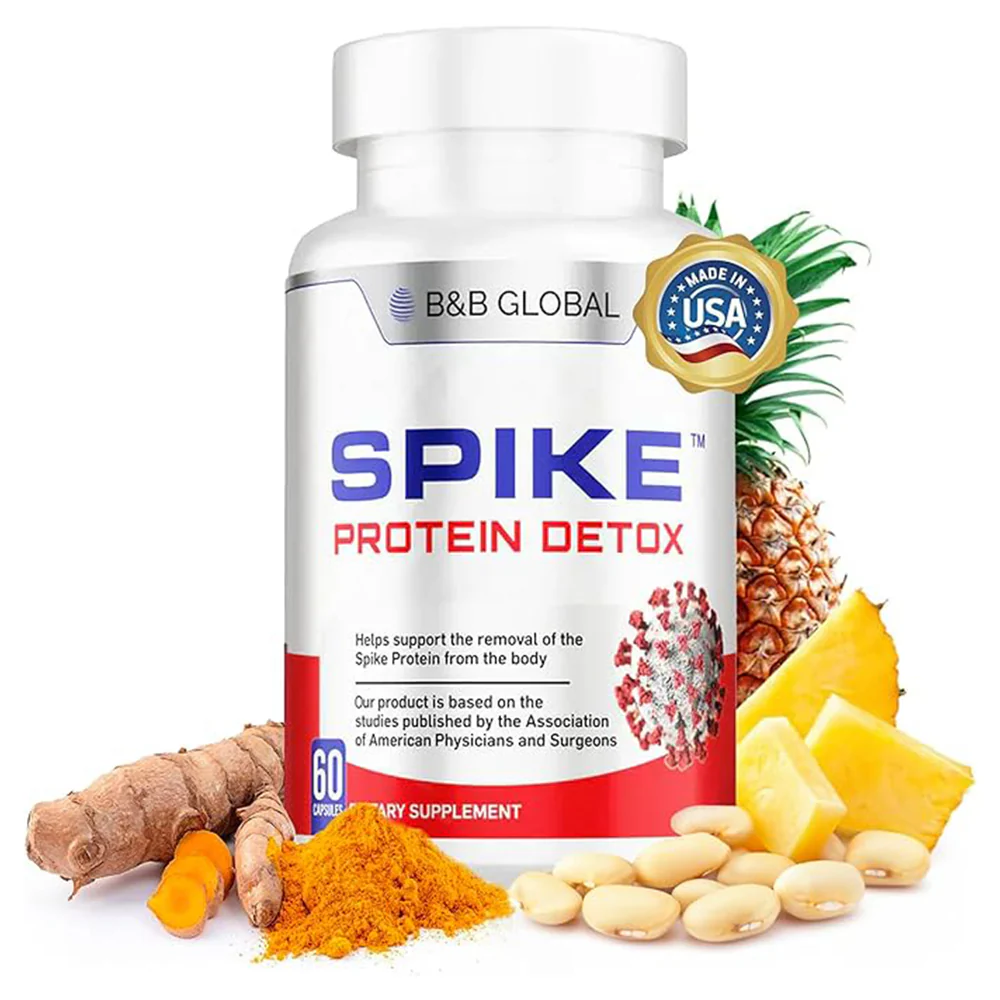
Spike Protein Detox Supplements: A Critical Examination of Claims, Science, and Market Growth
The dietary supplement industry has consistently evolved in response to public health conversations and emerging wellness trends. Over the past several years, immune support and post-viral recovery products have seen particularly strong demand. Within this expanding segment, a niche category known as “spike protein detox” supplements has gained visibility. These products are marketed toward individuals seeking additional support for immune balance and circulatory health following viral infection or vaccination.As interest in this category grows, it is important to evaluate the biological rationale, ingredient composition, regulatory environment, and overall credibility of such products.
Understanding the Biological Background
Spike proteins are structural components found on certain viruses, including SARS-CoV-2. These proteins allow viruses to bind to host cells and initiate infection. During natural infection, the immune system identifies spike proteins as foreign antigens and mounts an immune response to neutralize and eliminate them.
Certain vaccines use genetic instructions to prompt cells to temporarily produce spike protein fragments. This process trains the immune system to recognize the virus without causing disease. Importantly, spike proteins produced during infection or vaccination are not permanent. The body breaks down and clears these proteins through normal metabolic and immunological pathways.
Currently, there is no established medical guideline recommending targeted “detoxification” of spike proteins. The immune system is equipped to process viral components efficiently in healthy individuals.
Ingredient Analysis: What Do These Supplements Contain?
Brands operating in this niche, such as SpikeDetox, typically formulate their products with enzymes and plant-derived compounds associated with cardiovascular and inflammatory support. While the specific combinations vary, several ingredients commonly appear across products in this category.
Nattokinase
An enzyme derived from fermented soybeans, nattokinase has been studied for its potential effects on fibrin and blood flow. Research suggests it may support aspects of cardiovascular health, though clinical consensus regarding its therapeutic role remains limited. Individuals using blood thinners should exercise caution due to possible interactions.
Bromelain
Extracted from pineapple stems, bromelain is frequently used in supplements for its anti-inflammatory and digestive-support properties. It has been investigated for immune modulation, but evidence supporting spike protein–specific applications is not established.
Curcumin
Curcumin, the active compound in turmeric, is widely studied for antioxidant and anti-inflammatory effects. One challenge with curcumin supplementation is limited bioavailability, which is often addressed by combining it with absorption enhancers.
Piperine
Derived from black pepper extract, piperine enhances curcumin absorption. However, it may influence drug metabolism pathways, making consultation with a healthcare professional advisable.
While these ingredients have individual research histories related to general wellness, translating those findings into claims about spike protein detoxification exceeds current clinical evidence.
Regulatory Framework and Compliance
In the United States, dietary supplements are regulated under the Dietary Supplement Health and Education Act (DSHEA). Under this framework:
Manufacturers are responsible for ensuring product safety.
Supplements do not require FDA pre-approval before entering the market.
Structure/function claims are permitted, but disease treatment claims are prohibited without FDA authorization.
Consumers should understand that statements such as “manufactured in Detoc From Spike Supplement an FDA-registered facility” do not mean the product itself has been approved by the FDA. Regulatory oversight focuses primarily on labeling accuracy and post-market safety monitoring.
Indicators of a reputable supplement brand include:
Transparent ingredient dosages
Third-party laboratory testing
Good Manufacturing Practice (GMP) certification
Clear refund and customer support policies
Scientific Consensus and Evidence Considerations
Mainstream medical authorities do not recommend spike protein detox supplementation. The body’s immune system, including macrophages, T cells, and proteolytic pathways, naturally processes viral proteins. There is no widely accepted evidence suggesting that spike proteins remain in the body in a way that requires targeted detoxification.
That said, maintaining overall immune and cardiovascular health through balanced nutrition, exercise, sleep, and medical care is broadly supported. Supplements may serve as complementary tools when used responsibly, but they are not substitutes for evidence-based treatment.
Market Dynamics and Consumer Behavior
The spike detox niche illustrates how emerging health concerns can quickly translate into commercial opportunity. Online search demand, social media discussions, and targeted content marketing contribute to product visibility. Search engine rankings and persuasive landing pages can create an impression of authority, even in the absence of strong clinical validation.
For consumers, critical evaluation is essential. Strong digital presence does not equate to scientific endorsement. Health-related purchasing decisions should prioritize data quality over marketing intensity.
Risk Management and Professional Guidance
Before starting any enzyme-based supplement, individuals should:
Review potential interactions with prescription medications
Consider pre-existing cardiovascular or clotting conditions
Consult a licensed healthcare provider
Verify that ingredient dosages align with published research
Responsible supplementation requires awareness of both potential benefits and limitations.
Conclusion
Spike protein detox supplements represent a convergence of immune health marketing, consumer uncertainty, and digital commerce strategies. While ingredients such as nattokinase, bromelain, and curcumin click here have documented roles in supporting general wellness, there is no established clinical requirement to detoxify spike proteins following infection or vaccination.
Consumers are best served by relying on evidence-based guidance, transparent product labeling, and professional medical consultation. In a rapidly evolving supplement marketplace, informed skepticism and scientific literacy remain essential tools for protecting health and making responsible purchasing decisions.